

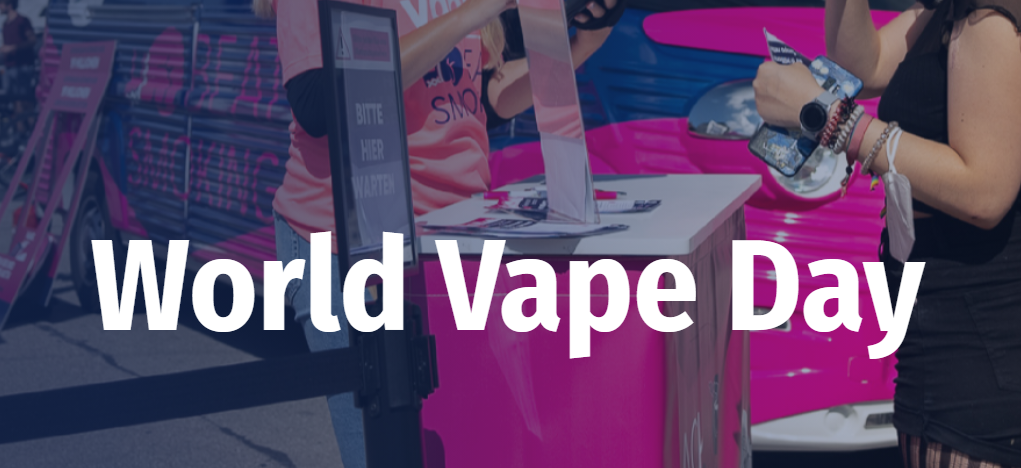
For the millions of smokers trying to kick the smoking habit, there’s a significant difference between World Vape Day and World No Tobacco Day. The former is all about practical ways to cut down on harm and providing real tools to help people quit, while the latter mainly campaigns against nicotine and tobacco use in any form.
The problem is smoke, not nicotine
The theme for World Vape Day 2026, “One Switch – Everyone Wins,” conveys a simple message: when smokers switch from regular cigarettes to safer alternatives, it’s a win-win. Smokers get to breathe easier with fewer health problems, while families can enjoy cleaner air without worrying about secondhand or thirdhand smoke. The focus is on the smoke itself, rather than just on nicotine. This point is crucially important since the risks associated with smoking come from burning tobacco. Options like vapes, pouches, and heated tobacco products skip combustion altogether, leaving smokers with attractive, effective alternatives.
And this is not theoretical. Countries that have endorsed the use of such tobacco harm reduction tools are seeing real changes. Take Sweden, Japan, New Zealand, and the UK, where smoking rates have dropped significantly because they have promoted safer nicotine alternatives as quitting aids. On the flip side, countries like Australia and Germany that stick with strict bans have seen smoking rates stall and black markets flourish.
Why has World Tobacco Day become irrelevant?
A recent study published in Nature Health supports this, suggesting that mixing safer nicotine options with current tobacco control measures could push global smoking rates below five per cent by 2040. This evidence really shapes what World Vape Day is all about—real smoking cessation journeys and experiences, empowering consumers, and finding practical ways to reduce risks. Instead of pushing for complete nicotine abstinence, it helps smokers transition away from combustible tobacco in whatever way works best for them.
To this effect, World No Tobacco Day feels outdated. While it aims to reduce smoking-related diseases by not making a distinction between smoking and other forms of nicotine use, it overlooks how different nicotine products carry various levels of risk.
For years now, tobacco control has had this straightforward mantra: cigarettes are bad news; quitting is what matters; and nicotine replacement therapies were seen as quick fixes. Then came harm reduction products that changed the narrative by allowing smokers to lower their risks without completely ditching nicotine. With so many options out there now, users can choose what works for them. Moreover, some public health entities struggle to respect the idea that for those who refuse to quit, there are ways to keep enjoying nicotine without the added harm.
Challenging the prohibitionist narrative
Scientists pushing for harm reduction sometimes face accusations of undermining public health efforts. And consumer advocacy groups struggle to make their voices heard when contending with bigger organisations promoting total abstinence.
Meanwhile, when tobacco harm reduction experts criticise strict prohibition policies, they often get brushed off as being swayed by industry interests or manipulation. Former smokers who advocate for vaping usually end up ignored. Scientists pushing for harm reduction sometimes face accusations of undermining public health efforts. And consumer advocacy groups struggle to make their voices heard when contending with bigger organisations promoting total abstinence.The irony? Campaigns that warn against “manipulation” often rely on emotional appeals, exaggerated claims and oversimplified narratives. They boil complex issues like consumer behaviour or illegal trade down to catchy slogans about protecting kids or fighting industry influence.
In the meantime, millions of ex-smokers who made the switch to lower-risk products hardly get any representation at all. This absence leaves many consumers frustrated—they feel their voices have been erased from important conversations. World Vape Day aims to change that by putting former smokers and harm reduction advocates front and centre in the dialogue.
In contrast, World No Tobacco Day tends to focus more on institutions such as ministries and public health organisations than on directly engaging smokers themselves. Critics argue that many smokers feel more managed than empowered when it comes to taking charge of their health choices. There’s often a disconnect between what science says and policies that limit access to products they believe helped them quit traditional cigarettes.
Focusing on what actually achieves results
At the end of the day, World Vape Day and World No Tobacco Day symbolise two different approaches to tobacco control—one emphasises harm reduction and consumer choice, while the other leans towards caution and outright nicotine prohibition. As smoking rates continue to drop in places that embrace safer alternatives, policymakers are facing an increasingly tough question: should public health efforts aim at eliminating nicotine entirely or focus on getting rid of the smoke that causes most smoking-related diseases? For millions trying to quit smoking, the answer is pretty straightforward.











Different approaches, same goal: reducing the harm caused by smoking. The debate continues, but public health should remain the priority.