- Since 2010, 28% of former smokers quit mainly with the help of vaping, compared with 18% with nicotine replacement therapy;
- Clinical trials confirm that vaping outperforms nicotine replacement therapy for quitting smoking;
- 43% of former vapers have stopped smoking completely, and three in four have quit or cut down on tobacco;
- 82% of vapers use an e-liquid below 10 mg/ml of nicotine, a strength that could hold back complete smoking cessation;
- 87% of vapers use flavours other than tobacco;
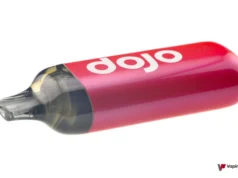
- Neo-puffs and purchases in convenience stores are concentrated among the youngest users, outside the specialist network.
Nicotine replacement dethroned
The Cochrane systematic review has concluded for several years that nicotine vaping is more effective than nicotine replacement therapy for quitting smoking, and the OpinionWay poll for FIVAPE confirms it: since 2010, e-cigarettes have become the leading aid cited by those who quit smoking. 28% of former smokers who quit since then name vaping as their main method, compared with 18% for nicotine patches, gum and sprays. Medications (varenicline, bupropion) and the Tabac Info Service quitline remain marginal, at 3% and 2% respectively. Among those who used an aid to quit after 2010, nearly one in two did so with vaping (28% out of a total of 58%).
A way out of smoking
Of the 554 daily vapers surveyed, 45% say they no longer smoke cigarettes: 23% vape exclusively and 22% combine vaping with nicotine replacement therapy. The rest, dual users, continue to smoke alongside vaping. A figure that appears to confirm that vaping attracts smokers above all. According to the 2024 Santé publique France Health Barometer, almost all daily vapers have experience with tobacco: 47.7% still smoke and 49.5% are former smokers. Fewer than 3% of daily vapers have therefore never smoked, and for them vaping may well have served as a diversion from smoking.
It is also worth noting that dual use is very often just one stage on the path to quitting. Of the 333 former vapers surveyed, 43% stopped smoking completely after using e-cigarettes, 23% considerably reduced their consumption and 9% cut down while considering quitting. In total, three in four quit smoking or reduced the number of cigarettes they smoke.
Far from the clichés
The 1,093 current vapers surveyed also paint a picture of use far removed from the image often shown in the media. 79% say they use a refillable device, and nearly one vaper in two buys mainly from the specialist network: 31% in vape shops and 16% from specialist websites. Both are channels where users receive guidance on choosing a nicotine strength and the right type of device. Tobacconists account for 27% of main purchases.
The under-dosing trap
The poll also reveals that 82% of vapers usually choose an e-liquid with less than 10 mg/ml of nicotine, including nicotine-free liquids (10%). Only 20% say they use strengths between 10 and 20 mg/ml, the maximum allowed in the European Union.
For those who have quit smoking, lowering the strength is a logical step towards giving up nicotine. For smokers trying to quit, it is another matter. According to the same Cochrane review, nicotine-free e-cigarettes probably help only 6 people in 100 to quit smoking, compared with 8 to 10 for those containing nicotine.
With four vapers in five below the 10 mg/ml mark, some dual users may lack the nicotine they need to give up cigarettes completely.
Flavours, a pillar of vaping
The poll has once again shown how important flavours are.
87% of vapers use at least one flavour other than tobacco, with fruit flavours (65%) in first place, followed by mint and its derivatives (33%). Only 12% stick to tobacco flavour. Restricting flavours would therefore deprive nine vapers in ten of the products they use, at the risk of sending some of them back to cigarettes. Yet this is what France’s health minister, Stéphanie Rist, is asking the European Commission to do.
Problems lie outside the specialist network
In France as elsewhere, the media regularly relish the misadventures of a minority of vapers. This OpinionWay/Fivape poll shows that the practices raising concerns are concentrated far from specialist shops.
Among 18-24 year olds, 44% of vapers use neo-puffs, products that copy the format of disposable puffs banned in 2025, compared with 20% of all vapers. And 20% of young vapers buy mainly from convenience stores or night shops, compared with 9% on average.
The link with sales channels appears clear: neo-puff users are twice as likely to buy mainly from non-specialist retailers (31%) as those using a refillable device with 10 ml bottles (16%). The puff ban has therefore not made the format disappear; it has simply shifted it to alternative channels.
Nor are these young adults the tobacco generation some predict. According to the Santé publique France Health Barometer, daily smoking among 18-29 year olds fell from 29% in 2021 to 18.4% in 2024. Widespread vaping and plummeting smoking in the same age group: data that could suggest vaping is diverting some young adults away from cigarettes. Data that is hard to reconcile with the gateway theory put forward by some organisations and institutions, which holds that vaping encourages smoking.
Don’t break the tool
The data gathered by this poll seem clear: vaping is now the most widely used aid among French people who succeed in quitting smoking, and its users favour refillable devices and specialist shops.
Taxing e-liquids, restricting flavours or treating vaping like tobacco would therefore weaken the most widely used smoking cessation tool in France, with the risk of pushing vapers towards parallel channels where problems are already concentrated.