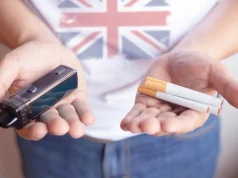
There is a marked contradiction in the global nicotine market: while combustible cigarettes—the products responsible for the vast majority of tobacco-related illness—are still available in nearly every convenience store, smoke-free alternatives have to go through lengthy regulatory reviews, meet with political opposition and are frequently the subject of calls for prohibition.
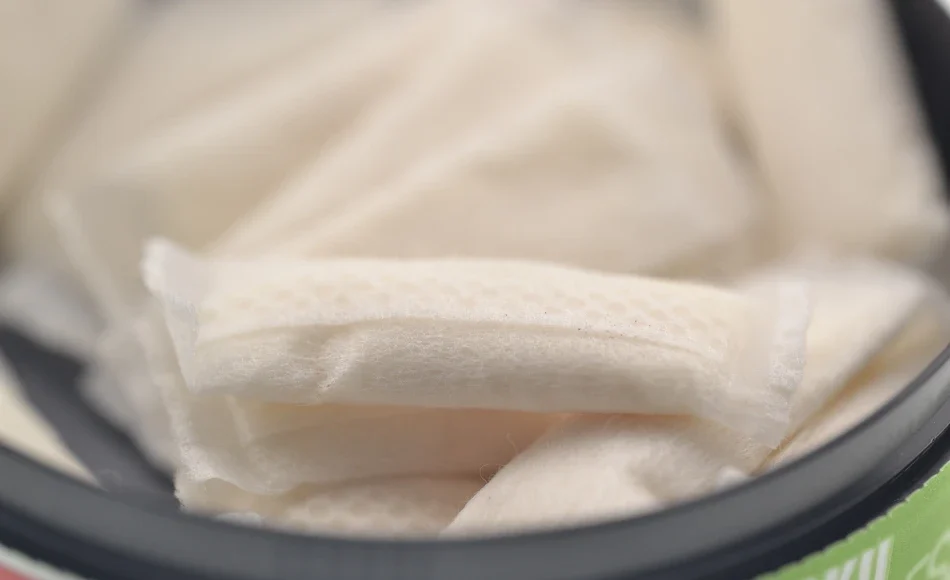
Nicotine pouches are now finding themselves involved in the same debates that had earlier concerned vaping. Since these products do not contain tobacco leaf and produce neither smoke nor an aerosol, critics are increasingly referring to them as the ‘next Juul’. Tobacco harm reduction experts have consistently highlighted that this way of putting it is inflating legitimate worries regarding youth use and leading to exaggerated restrictions which will ultimately only benefit cigarette companies by removing lower-risk alternatives from the market.
The latest decision by the US Food and Drug Administration regarding ZYN provides an opportunity to redirect the debate towards evidence.
What does the reduced risk status by the FDA mean for the pouch market?
Last June, Swedish Match USA received the FDA’s modified-risk status for 20 of its ZYN nicotine pouch products. The licence enables the company to claim that using ZYN rather than cigarettes reduces the risk of mouth and lung cancer, heart disease, stroke, emphysema and chronic bronchitis.
The FDA specified that the approval does not imply that nicotine pouches are harmless, appropriate for people who have never used them or approved as medicines to help people quit smoking. Furthermore, the decision does not automatically extend to every pouch currently on the market.
The order does, nonetheless, show a significant regulatory recognition of the fact that adults who wholly substitute cigarettes for prescribed nicotine pouches are able to lower their risk of disease. The FDA has determined that the claim is scientifically accurate with respect to the approved products, understandable to consumers, and likely to contribute to better population health. The importance of the ZYN ruling is partly because progress has been slow.
Nicotine pouches have had to go through the FDA’s Premarket Tobacco Product Application process, a system that was originally designed with quite different products in mind. Manufacturers and retailers have objected to the lack of detailed, pouch-specific guidance, the lengthy review times, and the uncertainty regarding how the agency evaluates flavours, nicotine delivery, and effects on the population.
A guideline for Asia
Yet, the FDA’s order should likewise draw attention in the Asia-Pacific region, since cigarette smoking is found there together with the widespread use of hazardous traditional oral tobacco products. Nicotine pouches are used similarly to local products like gutka, khaini, and zarda, but their makeup is essentially different. They do not contain tobacco leaves and can be produced according to controlled standards regarding the ingredients. On the other hand, some of the local smokeless products contain high levels of tobacco-specific nitrosamines and may be mixed with areca nut, which in itself is linked to cancer.
The Coalition of Asia Pacific Tobacco Harm Reduction Advocates (CAPHRA) has recently reiterated that regulators should not classify cigarettes, traditional smokeless tobacco and tobacco-free pouches as being in a single, undifferentiated category. A reasonable regional response should therefore be neither simple approval nor a complete ban of alternative products. Governments could establish a separate product category with restrictions on nicotine concentration, requirements for testing contaminants, rules regarding manufacturing, mandatory health warnings, child-resistant packaging and post-market surveillance.
Nicotine pouches’ growing popularity in the UK
Convenience and discretion were major selling points. Since pouches need no batteries, do not have to be refilled or inhaled and can be used in places where smoking and vaping are not allowed, purchases by female customers increased more than three times in 2025.
The Haypp and Northerner Nicotine Pouch Report 2026 looked into the experiences of 2,082 UK customers and examined purchasing data from over 50,000 individuals. Nicotine pouch sales at the two retailers rose by 60% in 2025. Almost one in two of those surveyed stated that they had started using pouches as part of an effort to quit smoking, and a large number said that they were using them as they moved on from vaping or that they were alternating between lower-risk products.Convenience and discretion were major selling points. Since pouches need no batteries, do not have to be refilled or inhaled and can be used in places where smoking and vaping are not allowed, purchases by female customers increased more than three times in 2025. This indicates that the unobtrusive format may be attractive to those who do not like to carry visible nicotine products or feel judged for using them in public.
Will Costa Rica choose prohibition?
Meanwhile, a proposal in Costa Rica to limit most oral nicotine products, despite their risk level, shows how easily regulation can lose sight of comparative risk. People’s advocacy groups have stated that the measure might include tobacco-free pouches and could thus reduce access to certain medicinal nicotine products, although cigarettes would still be allowed. This policy discussion once again raises an important question: what outcome occurs when a government removes safer products but continues to allow the most hazardous one to be sold?
The demand for nicotine will never vanish; people might start smoking again, buy unregulated pouches or resort to informal cross-border suppliers. As a result, prohibition will substitute regulated products with ones that have looser age checks, uncertain ingredients, and no reliable supervision during manufacturing – a pattern we have sadly become all too familiar with.
Regulation should follow the continuum of risk
Sure, nicotine pouches are addictive, and therefore measures need to be in place to protect young people and/or never users. Marketing should focus on adult nicotine users rather than on those who do not currently use nicotine, and the regulators should keep an eye on the oral effects, the safety of the ingredients, and the patterns of dual use.
Yet the fact that there are such concerns is no reason for pretending that pouches and cigarettes pose comparable risks. The way the FDA has handled its modified-risk assessment, albeit taking way too long, provides a more suitable approach—evaluating each product separately, requiring supporting evidence, and allowing comparisons between products if the science supports doing so. This type of information enables consumers to realise that switching completely makes a difference and that continuing to smoke means they will still retain most of the risk.
Public health ought to make the most dangerous nicotine products as unattractive and difficult to buy as possible—not the other way around. Although nicotine pouches will not be suitable for every smoker, they should serve as a complement to, not a replacement for, effective alternatives such as vaping and medicinal nicotine. Nevertheless, by expanding the range of acceptable substitutes for cigarettes, they can help to advance tobacco harm reduction and provide more adults with a practical means of giving up combustion.
https://www.vapingpost.com/2026/07/20/nicotine-pouches-and-oral-health-the-latest-evidence-on-the-risks-and-their-solutions/