

Nicotine pouches are finding themselves in a growing debate around tobacco harm reduction. For adults who might still smoke, the fact that these pouches don’t involve combustion presents a significant health benefit. However, critics argue that just because something is labelled “smoke-free” or “tobacco-free,” it doesn’t mean it’s completely safe. In light of this, the real policy question is how we can set standards for these products that preserve their potential to reduce harm while also addressing concerns about youth uptake.
A 2026 narrative review by Konstantinos Farsalinos describes nicotine pouches as a potentially low-risk substitute for combustible cigarettes. Although conceptually descended from Swedish snus, these products contain no tobacco leaf. Instead, nicotine, flavourings, sweeteners and pH-adjusting agents are incorporated into a cellulose-based pouch placed between the lip and gum. And the reality is that when you remove tobacco combustion, a product’s toxicant profile changes significantly.
The data in favour
…delivery can vary significantly depending on factors such as nicotine content, formulation, pH, and pouch design. Stronger products might lead to systemic exposure that rivals or even exceeds certain well-known oral tobacco items.
Chemical analyses clearly indicate much lower levels of harmful substances compared to cigarettes, as well as traditional smokeless tobacco. Tobacco-specific nitrosamines often appear at very low or even undetectable levels. In tests comparing different products, some pouch options have shown toxicant levels that are more in line with pharmaceutical nicotine-replacement therapy rather than typical tobacco.Research on biomarkers supports this idea. Studies with smokers who completely switch to nicotine pouches have shown notable reductions in markers for exposure to harmful substances associated with combustion. In fact, some of these findings are almost on par with what we see during total tobacco abstinence. While this doesn’t mean it’s completely safe in the long run, it does provide a solid biological reason to expect a significantly lower systemic risk compared to continuing to smoke.
The way nicotine is delivered makes pouches a practical choice for some smokers. Pharmacokinetic studies reveal that absorption tends to be slower than with a cigarette, so you don’t get that quick spike in arterial nicotine levels. However, delivery can vary significantly depending on factors such as nicotine content, formulation, pH, and pouch design. Stronger products might lead to systemic exposure that rivals or even exceeds certain well-known oral tobacco items. Therefore, regulations should look at not just the nicotine indicated on the package but also how it’s made available and released.
Long-term epidemiological data still represents a major gap in evidence. Farsalinos refers to Swedish snus as an example: decades of experience with a non-combustible oral product haven’t led to anything close to the lung cancer rates caused by cigarettes, while links to cardiovascular and other health issues are much less clear and more debated. However, it’s important to remember that nicotine pouches are chemically distinct from snus, and findings from one can’t be applied directly to the other.
The mouth is the critical exposure site
That distinction became more important with a comparative study conducted by Karolinska Institutet and Folktandvården Stockholm. The cross-sectional investigation assessed 272 people aged 18–30 who used tobacco-free “white snus,” traditional brown snus or neither product. According to the dental service’s report, clinically observable mucosal reactions occurred in 79% of white-snus users and 89% of brown-snus users.
Then again, the 79% figure in nicotine-pouch users is, of course, still very high.
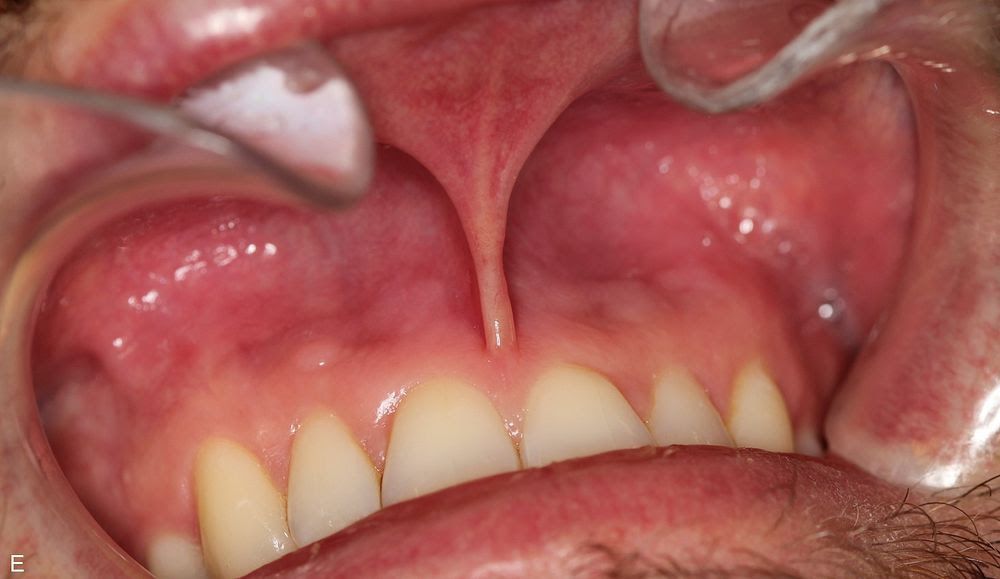
A whopping 45% of the young nicotine pouch cohort suffered from permanent, irreversible gum recession (gingival recession), compared to just 6% in the non-user control group. The average participant age in that cohort was only 22 years old, making permanent tissue retreat at such a young age particularly alarming for both consumers and dental authorities.
Flavour chemicals, not nicotine, are the issue
Discussing these findings, Stingfree AB founder Bengt Wiberg noted that, picking up where we left off in a previous Vaping Post article, this worrying percentage underscores a point previously mentioned: the importance of considering an existing technical solution. Wiberg highlighted that this study explicitly noted that “the primary culprit is not nicotine, but the high concentration of flavourings (especially mint/menthol) and elevated high alkaline pH adjusters that chemically irritate the oral tissue.”
“Is the industry really willing to wave goodbye to a nation of 15 million smokers like France before acknowledging that oral health is a massive, unaddressed concern? So far, comparisons are only made between deadly cigarettes and pouches. It’s time to look at the local reality: while oral damage isn’t lethal, it affects a huge majority of users and scares governments into bans. We shouldn’t risk driving smokers back to combustible tobacco when scientifically proven barrier technology already exists that can significantly reduce or eliminate many of these oral health concerns.” added Wiberg.
Looking precisely into this, a renowned 2025 international pilot study led by CoEHAR and the University of Catania, published in Acta Odontologica Scandinavica, evaluated nicotine pouches incorporating the patented Stingfree Protex® barrier on the gum-facing side. Among 23 dentists who used nicotine pouches or snus, median lesion severity declined significantly after five weeks (p=0.0002). Moderate-to-severe lesions classified as Axell grades 3–4 fell from 9 cases at baseline to none, and the 3 self-reported cases of gingivitis also resolved.
And while given the small number of participants, these findings shouldn’t be seen as conclusive evidence, the study does establish a valuable regulatory principle: oral irritation may be influenced by engineering rather than being an unavoidable price of switching from smoking. Standards could consequently evaluate gum-facing permeability, pH, free nicotine, flavouring toxicology and mucosal compatibility alongside conventional emissions or constituent testing.
Innovation should replace prohibition
Meanwhile, in discussing the Karolinska Institutet study, Bengt Wiberg pointed out that the worrying findings provide the exact scientific backing for major global shifts related to pouches, such as France’s recent decision to ban them. In fact, French authorities cited these exact oral health concerns as a primary argument, and Costa Rica seems to be the next country to follow suit.
The Central American nation has put forward a plan that would greatly limit access to non-therapeutic oral nicotine products while still allowing combustible cigarettes to be sold legally. Depending on how the final definitions and exceptions are shaped, it might still be possible to access medically approved nicotine therapies, but consumer nicotine pouches would largely vanish from regulated stores.
Supporters of the ban raise valid points about youth addiction, the strength of these products, unknown long-term effects, and case in point, the emerging evidence related to oral health. However, at this point, we all know that prohibition brings its own challenges. People may turn to illegal imports that could have unreliable nicotine content and lack enforceable manufacturing standards. Some adult users might revert to cigarettes—the product linked to significantly higher mortality—while smokers lose another option for a non-combustible alternative.
We have the solution. Let’s not ignore it
A balanced approach could involve limiting sales to adults, banning promotions aimed at youth, requiring clear disclosure of nicotine and ingredient information and capping nicotine delivery levels. However, perhaps more importantly, standards should be set for pH and flavouring, reports of adverse events for different products should be mandatory, and oral-mucosal testing should be implemented.
Nicotine pouches are neither cigarettes in miniature nor benign confectionery. Their value depends on who uses them, what they replace and how they are designed. For adults who would otherwise smoke, they may deliver a major reduction in systemic toxicant exposure. The latest dental evidence adds an equally important qualification: credible tobacco harm reduction must protect the mouth as well as the lungs.
https://www.vapingpost.com/2026/07/03/fdas-zyn-decision-and-swedens-success-challenge-claims-that-nicotine-pouches-are-a-new-tobacco-industry-tactic/











I used to use Skoal pouches back in the day, long before vaping. My gums receded terrible, to the point I lost all the teeth in the area I placed the pouch. I know it was caused by the pouch, because the first question my dentist asked me was if I used snuff or a pouch.