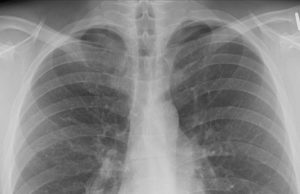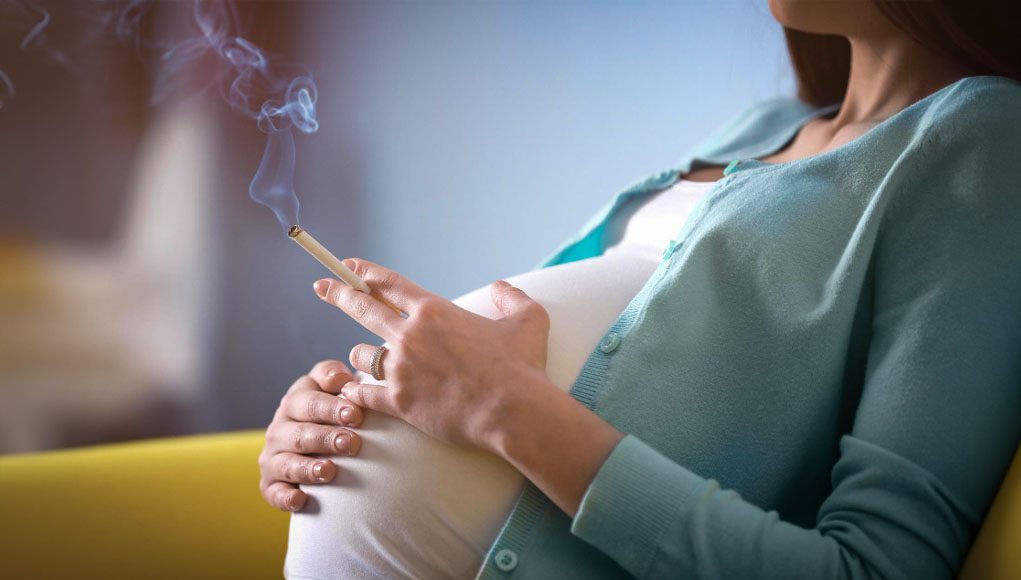
Pregnancy is the period in which smoking causes the greatest and most immediate harm. Decades of research leave no doubt that continued smoking increases the risks of miscarriage, preterm birth, placental complications, stillbirth and impaired fetal growth. Public health bodies worldwide agree on one central principle: the best outcome is complete abstinence from smoking. But the reality is more complicated. Many pregnant smokers find quitting extraordinarily difficult, even with professional support. For this group, the question is not whether nicotine is ideal, but whether safer nicotine alternatives, with dramatically lower toxicant exposure than cigarettes, may reduce risk for those who would otherwise continue smoking.
ASH Scotland recently entered this debate with new guidance for midwives on nicotine use during pregnancy. The document portrays licensed nicotine-replacement therapies (NRT) as largely safe but positions consumer nicotine products—such as vapes and pouches—as significantly more risky. The guidance has sparked criticism from harm-reduction experts who argue that it introduces more confusion than clarity. Their concern is straightforward: if nicotine is framed as dangerous in some contexts but benign in others, pregnant smokers may find it harder to make informed choices—and some may return to smoking, the riskiest option of all.
The same molecule, different rules
Dosing is another core issue. NRT is intentionally formulated at lower strengths and delivers nicotine slowly. That makes it difficult to relapse into dependence, but it also helps explain why NRT routinely underperforms in smoking-cessation trials compared with vaping and pouches. Harm-reduction specialists argue that low dosage alone doesn’t guarantee superior safety; if cravings are unmanaged and a pregnant smoker returns to cigarettes, the effective risk becomes far higher. The appropriate question, they say, is not whether nicotine is harmless—no public health authority claims that—but whether some nicotine products pose dramatically less harm than smoking, even during pregnancy. The existing toxicological evidence suggests they do.
ASH Scotland’s third distinction is regulatory: NRT is MHRA-approved as a medicine, while consumer nicotine falls under general product regulation. Advocates agree that stronger oversight for vapes and pouches would benefit pregnant women and the wider public. But they warn that regulatory differences do not inherently reflect differences in physiological risk. Better standards, they say, can be built without overstating the dangers of non-combustible nicotine.
However, the evidence is not entirely one-sided. A recent study from West Virginia University has raised questions about the potential long-term effects of vaping during pregnancy—particularly from exposure to vaporised e-liquid components even when nicotine is absent. Using a rat model designed to approximate human developmental patterns, researchers reported that prenatal exposure to both nicotine-containing and nicotine-free vapours produced cognitive and behavioural impairments in offspring, as well as biological markers associated with neuroinflammation and premature brain ageing. The study also noted that high-temperature aerosolisation of common e-liquid ingredients could disrupt vascular development.
Evidence and harm reduction context
However, researchers caution that rodent studies often overstate risks relative to real-world human exposure. The doses, exposure durations and delivery methods in animal experiments frequently exceed anything typical of human use. Nonetheless, these findings highlight the need for continued scientific evaluation—not only of nicotine itself, but of the solvents and flavourings that form the base of vape aerosols.
Meanwhile, for pregnant smokers who cannot quit, experts emphasize that any switch away from combustible cigarettes must be guided by healthcare professionals and rooted in the best available evidence. The latter paints a clearer picture when comparing cigarettes with non-combustible alternatives. Studies from the UK, US and Europe consistently show that switching from smoking to medically supervised NRT reduces carbon monoxide exposure, improves birthweight outcomes and reduces pregnancy complications.
Although research into vaping during pregnancy is more limited, available biomarker studies show that exclusive vapers have substantially lower exposure to tobacco toxicants than smokers. Even bodies traditionally cautious about nicotine—such as the Royal College of Obstetricians and Gynaecologists—acknowledge that if a pregnant woman cannot stop smoking, NRT is preferable to continued smoking, and vaping is “likely to be less harmful” although ideally avoided if possible.
Understanding the real risk spectrum during pregnancy
Public health messaging therefore faces a difficult but crucial task: to communicate that while no nicotine product can be labelled safe in pregnancy, the spectrum of risk is not uniform. Cigarettes sit at the extreme end, responsible for thousands of preventable prenatal complications every year. Non-combustible products fall much lower on that continuum, with medicinal NRT normally considered as the safest bet, but vaping and pouches offering more practical advantages in terms of satisfaction and relapse prevention. For pregnant smokers unable to quit with willpower alone, these differences are everything.
Ultimately, highlight harm-reduction experts, the goal should not be to villainise nicotine across the board, but to reduce harm wherever possible—and to meet pregnant women (as all other smokers and/or substance users) with compassion rather than condemnation. The path forward, they say, must combine clearer communication, stronger regulation of consumer products, continued research, and unwavering honesty about comparative risk. Until all pregnant smokers can quit nicotine entirely, offering safer alternatives remains not an endorsement of nicotine use, but a pragmatic strategy to minimise avoidable harm.
Vaping When Pregnant Should be Considered in the Context of Reducing Harm From Smoking