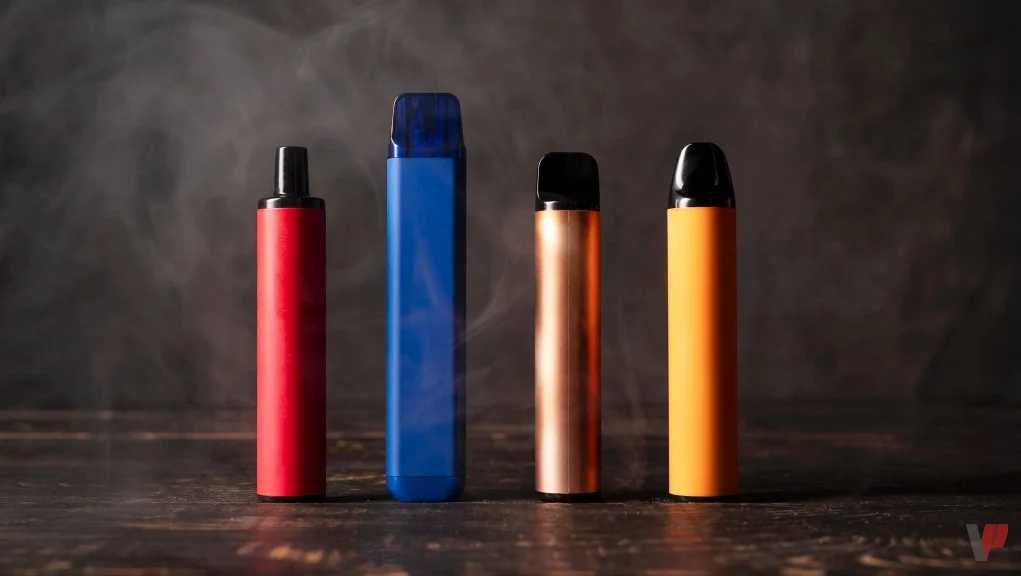
Across the globe, disposable vapes (alongside nicotine pouches) have become one of the latest flashpoints in tobacco policy. In Europe, governments from Estonia to Ireland and Germany are moving to phase out single-use devices, citing mainly youth uptake and environmental waste.
Yet for millions of adult smokers, disposables have served as an easy entry point into vaping – a practical, non-committal way to step away from combustible cigarettes. Why? Because someone unsure about, but willing to try, a product they have never tried before, would first prefer trying a cheap, easy-to-use version of it, before buying a more expensive (and possibly less user-friendly) fully-fledged kit.
The debate is increasingly polarised. In Estonia, a coalition of 50 groups led by the Estonian Green Movement has urged the government to eliminate disposables by 2027. The alliance presented its proposal to multiple ministries, arguing that single-use devices contribute to youth nicotine use and generate unnecessary plastic and lithium battery waste. And a related citizens’ petition reflecting public concern about environmental impact gathered more than 2,000 signatures.
Debating environmental concerns
Similar momentum is building elsewhere. In Ireland, a report by the Oireachtas Library and Research Service concluded that enforcing a disposable vape ban would cost the state more than €3 million annually. The proposed Public Health (Single-Use Vapes) Bill is of course being framed as a necessary youth protection measure, yet. Its projected financial and operational burden underscores the complexity of prohibition.
Germany is also preparing to end sales of single-use devices by late 2026 under new European Union rules targeting products with non-removable batteries. As always, the environmental driver is clear: discarded lithium-ion batteries represent a growing waste stream.
And while in all these cases, environmental stewardship and youth safeguards are of course legitimate goals, policy should also weigh the unintended consequences of removing a product category that has played a measurable role in smoking cessation. Moreover, instead of opting for prohibition, policymakers could encourage innovation. In fact, in response to these bans, manufacturers are already pivoting toward rechargeable pod systems.
Why harsh restrictions backfire
Research from Public Health England, the now Office for Health Improvement and Disparities, has consistently found that vaping exposes users to far fewer toxicants than combustible cigarettes. The Royal College of Physicians has warned that harsh restrictions on safer nicotine products risk slowing progress against smoking-related disease.
While disposables are not risk-free, they eliminate combustion, the primary source of tobacco harm. While their simplicity presents an excellent opportunity for individuals who have repeatedly failed with traditional nicotine replacement therapies, this low barrier/easy entry point can make the difference between experimenting with a safer alternative and continuing to smoke.
Meanwhile, when such bans are implemented without adequate transition pathways, black markets tend to fill the gap, and we need look no further than the UK for a classic example. The 2026 Illegal Vapes Report from Vape Club indicated that over 1.26 million illicit vapes were seized in a single year (with an estimated street value of £10 million) and nearly five million illegal devices were confiscated over three years. To add insult to injury, illegal cigarettes, operating in parallel, also surged, with more than seven million seized in one year alone.
Ireland’s own research acknowledges this behavioural uncertainty. If disposable users switch to reusable, regulated devices, public health objectives could be preserved. But if instead, consumers turn to the black market, enforcement costs will rise while health protections diminish.
Innovation, not prohibition
A smarter approach would be combining environmental reform with harm reduction. For example, deposit-return schemes, battery recycling mandates, and eco-design standards, could address waste without eliminating entry-level products overnight. While clear nicotine caps, packaging controls and strict age verification, can reduce youth appeal while maintaining adult access.
It is also important to consider the desired long-term goal of sustained smoking displacement. For adult vapers who start off with disposables before transitioning to refillable systems, removing that first step may disproportionately affect those of them who are older, intimidated by technology and/or financially constrained. In tobacco control, incremental change matters. A smoker who switches from cigarettes to a disposable vape has already reduced exposure to thousands of combustion-related toxins.
At the risk of sounding like a broken record, a balancing act is necessary—environmental protection, youth prevention and public health progress warrant equal importance. Framing disposables solely as a youth epidemic, ignores their role in helping adult smokers move away from the most dangerous nicotine delivery system ever invented. Harm reduction succeeds when regulation is proportionate, evidence-based and realistic about consumer behaviour.
So How is the UK’s Disposable Vapes’ Ban Panning Out? As Predicted, Not so Well!