For over a decade the UK was the global anchor example of evidence-based tobacco harm reduction. University academics, economists and THR advocates worldwide cited it, and the WHO-critical scientific community used it constantly to counter prohibitionist narratives. The UK proved that when governments communicated honestly about relative risk…more smokers switched to safer alternatives.
When optics beat outcomes
To add insult to injury, media outrage cycles around youth disposables seem to have become more politically influential than the data showing record drops in adult smoking driven by vaping. Officials are increasingly risk-averse to controversy, and the appearance of being “tough” on nicotine now matters more than the reality of reducing harm. Instead of explaining relative risk, they are defaulting to prohibition signalling to avoid political attack.
Meanwhile, real world evidence from enforcement shows that the prohibitionist turn is not performing as intended. ITV News sent reporters undercover to 25 retailers in Brighton. Seven were still openly selling disposable vapes, months after Trading Standards visits and after the ban took legal effect. Brighton and Hove council confirm that over 11,000 illegal disposables have been confiscated since June, yet councillor David McGregor says authorities are likely only seeing the tip of a very large illicit market iceberg.
This aligns with what THR analysts repeatedly warn governments about: bans don’t prevent consumption, they only change supply channels. Those retailers who did comply say they are now being undercut by those who ignore the law. The Independent British Vape Trade Association confirms a rise in refillable / rechargeable sales since the ban, proving adult switching redirected not disappeared. They argue the real failure is not access to less harmful substitutes, the failure is enforcement and the failure is communications clarity.
Shifting backwards
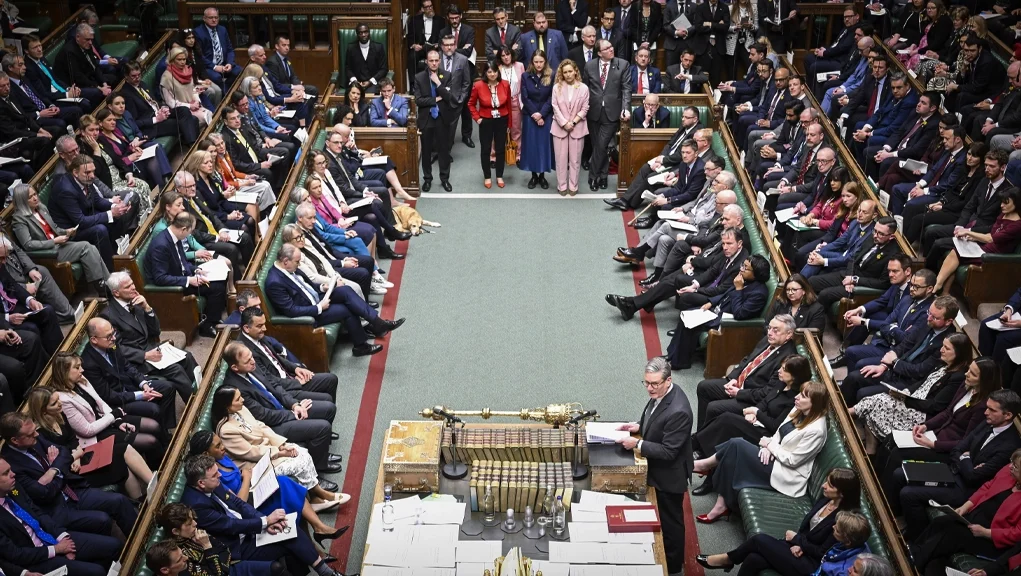
Inside Parliament, peers are now arguing over flavour definitions, packaging rules, penalties, age checks, and ministerial powers over vaping content. Ministers insist this is not anti-THR, that the bill protects youth without blocking adults switching. But the language framing has shifted from the UK’s original THR orthodoxy (“smokers need safer choices”) to an abstinence framing (“nicotine must be de-normalised”).
This shift is what experts like Clive Bates warn is the core problem. The “smoke-free generation” policy prohibiting cigarette sales to anyone born after 2009 is being treated politically like an achievement, even though it will not materially change outcomes for at least two decades.
The data are speaking for themselves
Meanwhile, the immediate effect of vaping restrictions + vape tax + disposable ban lands hardest on the adult smoking population who need harm reduction now, not theoretical benefit in 2044. This is the same philosophical failure that produced the EU snus ban, which kept one of the safest nicotine products off the market, (while Sweden used endorsed it domestically and quietly reduced smoking to under 5%).
The UK risks repeating Europe’s biggest THR mistake. While smoking rates are generally still dropping, at population level, the UK smoking trend story is no longer uniform. New ONS linked data shows London diverging dramatically. While Redbridge, Waltham Forest and Richmond upon Thames have some of the lowest smoking rates within London (at 6.8%, 6.6% and 5.3% respectively), Ealing now has the highest smoking rate in the country at 22% — a 40% year-on-year surge. Croydon and Barking & Dagenham are also rising sharply. Harrow and Bromley smoking more than doubled in a single year.
That means that massive smoking gains are collapsing in certain areas at the exact moment political messaging against vaping is intensifying. Vape Club director Dan Marchant warns that negative media coverage around disposables is now pushing smokers away from switching and even pulling back some who had already quit. That is an unexpected reversal, and a warning signal, because adult smoking nationally is now 11.9% — lowest since 2011 — but the gains are fragile.
Scotland is stagnating completely, stuck at 14% for the last two years and with smoking cessation investment falling, the situation is looking grim. Ireland is moving into aggressive taxation, at €0.50 per ml it is the highest in the EU — tripling the price of standard liquids. Harm reduction academics say Ireland is now repeating the same EVALI misinformation that damaged public trust in vaping back in 2019, despite it being officially proven to be inaccurate.
Rebuilding prohibition, one clause at a time
In this context, the UK shift is not isolated. It is part of a broader regional drift back toward a prohibitionist instinct. Britain is now preparing mandatory licensing for vape / nicotine retailers. On one level this is rational regulatory modernisation, and THR advocates are in support licensing done smartly. But inside the same legislative cycle sits the generational ban + the risk of ministerial power over flavour restrictions + the vape tax.
Taken together — this is no longer the UK of Public Health England 2015-2021. This is now a UK moving toward a moralised nicotine policy architecture, where political theatre outranks harm reduction outcomes. And for the global harm reduction movement — this is a red flag moment.
The UK was the world’s reference case. If the nation abandons THR clarity, low and middle income country health ministries will read this as validation of prohibition. WHO aligned NGOs will use it as a rhetorical anchor to argue that harm reduction is being rolled back by evidence-leaders. Which means the political cost of the UK shift will not only be domestic. It will also be global.
For clarity’s sake
For those who still believe in evidence-based harm reduction — communications must now change. Clarity on relative risk is going to matter more now than any time in the past 10 years. Adult smokers cannot be left confused again. If they are, smoking prevalence goes back up. And we are already seeing early signs that it is beginning.
Disposable Ban, Lasting Consequences: The Rise of Illicit Vapes After the UK Ban