


Four months of media recycling
On December 22, 2025, South West News Service (SWNS), the largest independent press agency in the United Kingdom, published a story about Kayley Boda. At just 21 years old, the young woman had lung cancer, which she attributed to e-cigarettes. The story ticked every box of the ideal human-interest tragedy: youth, illness, fear, emotion, and the perfect culprit.
Very quickly, the machine went into motion and the sensationalist press seized on the story. That same day, The Sun ran the headline: “QUIT NOW: Woman diagnosed with lung cancer at 21 after six years of vaping begs others to stop the habit as she learns to walk again.” A few days later, Tyla followed with: “Woman who used one vape a week diagnosed with cancer aged 21.”
On January 9, 2026, the story left the tabloid circuit and entered the public health sphere. Tyla’s article was simply copied and pasted onto the website of the anti-tobacco organization Southeast Asia Tobacco Control Alliance (SEATCA). By that point, nearly three weeks after the original SWNS story was published, only a handful of second-tier media outlets had picked it up. Yet SEATCA’s republication gave it the appearance of public health legitimacy.
A few days passed, and the story seemed to have been forgotten. But then, on April 19, 2026, LADbible restarted the machine with the headline: “Woman who started vaping at 15 has just months to live after doctors told her not to worry.” The recycling immediately resumed. The Sun, which had been the first outlet to cover the story, published a new article titled: “VAPE HORROR: Woman, 22, left with just 18 months to live after vaping since she was 15 warns ‘it will catch up with you’.”
The story even reached the United States on April 20, 2026, when the New York Post ran the headline: “British woman blames lung cancer diagnosis on vaping at just 22 — and she has only months to live.” Fox News then picked up the story, followed shortly by The Times of India, which imported it to the Asian continent.
On April 26, 2026, it was People’s turn to relay the story: “Woman, 22, Started Vaping as a Teen. Now She Has Months to Live After Cancer Diagnosis.”
More than four months had passed since SWNS published the original story on December 22, 2025, and all the media outlets that picked it up followed the same pattern:
- An individual case was turned into general proof: however tragic it may be, an isolated clinical case cannot establish causality at population level;
- Correlation was confused with causation: a woman with cancer vaped, but that does not prove that vaping caused her cancer;
- And most articles omitted two essential details: Kayley Boda smoked before she vaped, and her doctors never identified the cause of her cancer. “Boda said doctors haven’t been able to attribute her cancer to a specific cause”, Fox News reported. The Sun also noted that “Kayley started smoking a little as a teenager and began using refillable vapes at 15.”
A press agency specialized in sensational stories
This process was no accident. The press agency behind the story, South West News Service, has specialized in this type of content. As the banner displayed prominently on its official website states: “SWNS discovers, creates and distributes original news content that drives engagement and revenue growth for the world’s leading media brands.” In other words, SWNS creates content designed to generate clicks and revenue.
A quick look at the stories the agency proudly highlights confirms this:
- Hundreds of students caused chaos after pro-Palestinian demonstrations;
- A man appeared in court after dumping dead giant tortoises in woodland;
- The signs that prove you are a true foodie revealed — and it is fair to say many will recognize themselves;
- A cockapoo had one leg amputated after an alleged bully attack;
- A heartbreaking photo showed a father meeting his daughter days before his death;
- A vial once owned by controversial collector Lord Elgin went up for auction;
- A wanted man was arrested after “tackling” police officers during an online rap battle;
- Brave dogs chased away a huge 10-foot crocodile;
- The moment a car thief was trapped by police after driving into an underground subway passage.
Kayley Boda’s story, however tragic, does not prove that e-cigarettes cause cancer. It does, however, show very clearly how an emotional story, recycled for long enough, can end up looking like evidence.




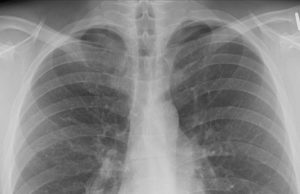


I’ve been vaping since 2015. 11 years. I used vaping to quit smoking. My last lung scan which I have every year cause I smoked cigarettes for decades, showed my lungs are clear and improving from smoking real cigarettes. I am 70 years old.
I find it so difficult separating the truth from the BS in the media these days, it has become even worse in the last 2 years as we have several high profile people feeding the media circus with half truths and lies