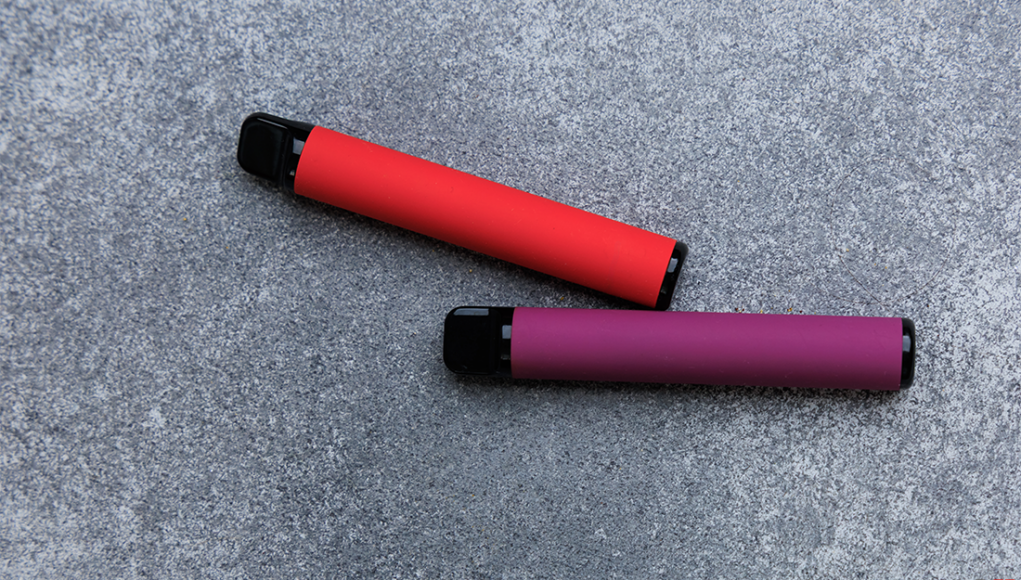
Goodbye, sealed pods?
A small revolution is under way in Europe: from 18 February 2027, products with a built-in battery will have to allow that battery to be replaced, in order to extend their lifespan.
The rule is set out in Article 11 of Regulation (EU) 2023/1542 on batteries and waste batteries. The regulation covers batteries placed on the EU market, whether made in the EU or imported, and whether sold on their own or built into a device.
However, the rule does not apply to products placed on the market before that date, as the European Commission’s guidelines point out: units already supplied can continue to be sold until stocks run out.
The EU’s stated aim is twofold: fighting planned obsolescence by extending the lifespan of devices, and making it easier to recover and recycle materials such as lithium.
The rule targets products incorporating a portable battery. These include many electronic and everyday consumer products: some laptops, rechargeable e-cigarettes, small electronic devices, some battery-powered tools and equipment, earbuds, connected accessories and wearables, subject to exemptions. Smartphones and tablets, often presented as the main target, are a special case: the Commission specifies that, for these devices, the battery removability requirements of the ecodesign regulation on phones and tablets take precedence.
The whole battery
It is the entire battery pack that must be replaceable: according to the Commission’s guidelines, the obligation applies to whole batteries, not to individual cells.
Proof that the text was drafted with care, it defines what “replaceable” means in this context: a compatible battery must be able to replace it without affecting the device’s functioning, performance or safety.
If the operation requires tools, they must be commercially available. Specialised tools are only allowed if they are supplied free of charge with the product, and proprietary tools are ruled out.
Removal must also be possible without heat, without solvents and without any particular professional expertise. On that last point, in practice, vape shops should nonetheless expect an influx of users at a loss with the technology.
Manufacturers will have further obligations on top of these. The device must be designed for battery replacement, and it must come with clear instructions and safety information on removal and replacement, also made available online.
Strict requirements
Above all, devices must accept a compatible battery, not just a proprietary part. This point deserves attention: a manufacturer could technically pair a battery with an electronic recognition system, without which the device stops working. Under Article 11, software can no longer be used to impede battery replacement, and the Commission’s guidelines cite “parts pairing” as an example. Although this practice is marginal, if not non-existent, in vaping, the text anticipates it.
Compatible batteries must also remain available as spare parts for at least five years after the last unit of a model is placed on the market. Given how quickly the coils of some new devices become unavailable, this may irritate a few manufacturers.
Finally, consumers must be given clear information on how to recycle their battery. An opportunity for the vaping sector to finally get organised on the issue? Device waste has been one of the main arguments behind the disposable vape bans spreading across Europe.
A new era?
Vaping is not named in Article 11, but rechargeable e-cigarettes fall squarely within its scope, and the Commission’s guidelines mention e-cigarettes as a cause of fires in waste treatment facilities. The sector is therefore likely to be watched closely.
Exemptions do exist, of course, but none of them concerns vaping. The original text mainly exempted washable appliances and certain medical devices; a delegated regulation in force since 11 November 2026 has extended the list to eight categories, including smartwatches and electric toys, with no mention of vaping. A shame: we were looking forward to seeing how thick the manual for changing a pacemaker battery would be.
Electric cars, for example, are covered by separate rules. Appliances designed to operate in wet environments, such as shavers, trimmers or floor cleaners, may also reserve battery replacement to independent professionals, for understandable safety reasons.
While this measure will not upend the vaping landscape as a whole, it could hurt certain types of devices that have flourished in recent years, and it may already explain why new product launches have become scarce. A reshuffle of the cards? Nothing is impossible.