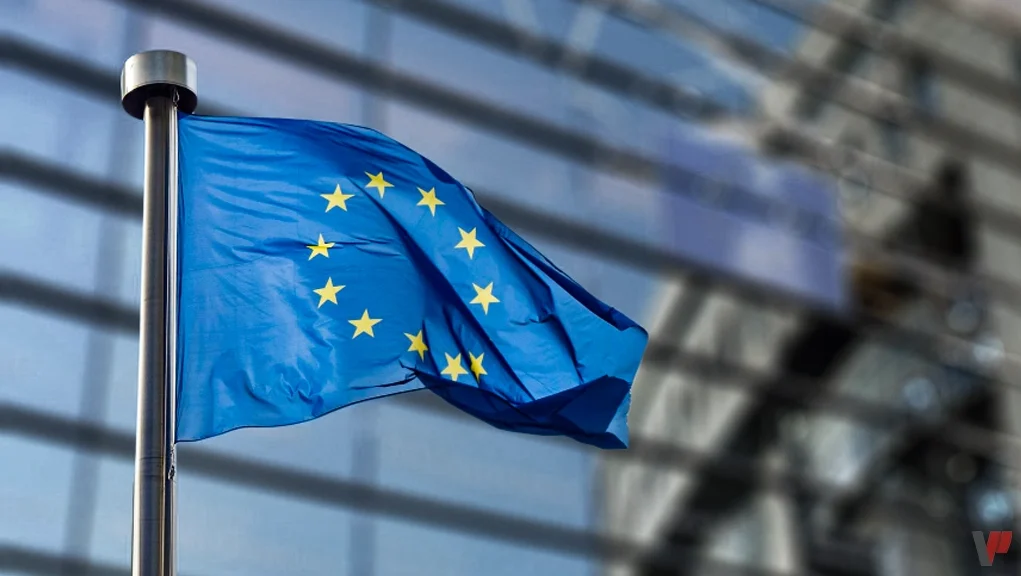
That tension was on full display during the European Commission’s ongoing review of the Tobacco Products Directive (TPD) and Tobacco Advertising Directive (TAD), which has already attracted more than 80,000 submissions from citizens, businesses, consumer groups, health organisations and advocacy bodies. The unprecedented level of engagement reflects the growing importance of alternative nicotine products, such as nicotine pouches, vapes and heated tobacco, in Europe’s smoking cessation landscape.
In fact, this highlights a simple reality: millions of Europeans, especially those who have already quit cigarettes by using non-combustible products, consider it very important. Sadly though, many regulatory proposals continue to treat these lower-risk alternatives as if they were equivalent to smoking.
The EU parliament sees through the EC’s ridiculoius proposals
The debate intensified further in June when the European Parliament rejected two separate proposals linked to revisions of the Tobacco Excise Directive. The European Commission’s plan, which sought to introduce minimum excise taxes across a broad range of alternative nicotine products, suffered a decisive defeat. Earlier that same day, lawmakers also rejected a softer proposal from the Parliament’s Economic and Monetary Affairs Committee (ECON), which would have applied risk-based taxation.
The central question facing Brussels is whether products such as nicotine pouches should be viewed primarily as a public health threat or as tools capable of accelerating the decline of cigarette smoking. Evidence from Sweden continues to shape that discussion. Sweden has become the world’s first officially smoke-free nation, and much of that success has been attributed to the widespread adoption of snus and, more recently, nicotine pouches. While smoking rates across much of Europe remain stubbornly high, Sweden has recorded dramatically lower levels of smoking-related disease than many neighbouring countries.
The people have spoken, again!
Taking a closer look at the TPD submissions, TobaccoIntelligence recently revealed that many public health organisations called for flavour bans, advertising restrictions, higher taxes and tighter sales controls on alternative nicotine products. Moreover, numerous health and environmental groups submitted in favour of stronger restrictions on vapes and nicotine pouches, arguing that precautionary measures are necessary to prevent youth uptake.
At the same time, retailers, consumer organisations and many individual respondents rightly warned that excessive restrictions risk undermining smoking cessation efforts. In line with expert opinions, they argued that taxation and regulation should reflect relative risk, and that policies that make smoke-free products less attractive could unintentionally protect cigarette sales.
Other submitters mentioned economic concerns, warning that overly aggressive taxation could encourage cross-border shopping, illicit trade and unregulated markets. In line with these concerns, such patterns have already emerged in countries where alternative nicotine products face heavy restrictions, with consumers often seeking products from neighbouring jurisdictions rather than abandoning nicotine altogether.
Are we finally getting somewhere?
Sadly, the broader policy debate increasingly revolves around whether regulators are responding to evidence or ideology. Meanwhile, the European Commission’s consultation has exposed a deeper philosophical divide. One side views all nicotine use as a problem to be eliminated regardless of product type. The other argues that reducing smoking-related disease should take precedence and that policies should encourage smokers to move down the risk continuum.
The European Parliament’s recent votes suggest that the latter perspective may be finally gaining some acknowledgement and traction. Although neither proposal succeeded, the strong support for risk-based taxation demonstrated that many lawmakers are increasingly willing to distinguish between combustible tobacco and lower-risk alternatives.
With the public consultation remaining open until August for the general public, and negotiations over future taxation rules continuing among member states, the outcome remains uncertain. What is clear, however, is that Europe’s nicotine debate is no longer simply about tobacco. It is increasingly about whether public health policy will recognise the difference between smoking and smoke-free alternatives.
As TobaccoIntelligence’s editorial director Barnaby Page noted, with evidence from Sweden, the United States and other markets continuing to accumulate, regulators face growing pressure to align policy with relative risk rather than treating all nicotine products as if they were the same. For millions of European smokers seeking alternatives to cigarettes, that distinction could have profound public health consequences.