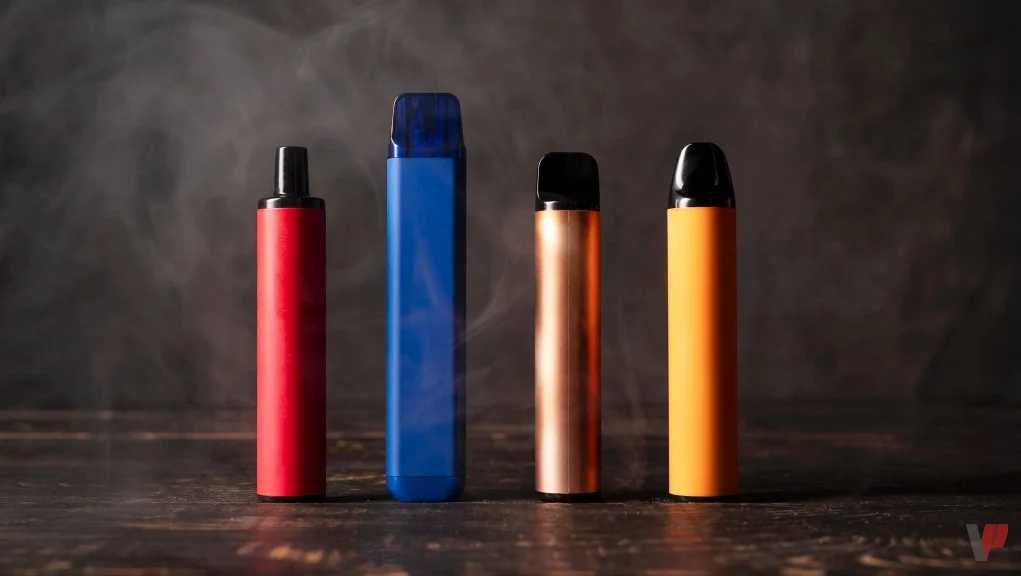
Less than a year after the UK banned disposable vapes, emerging evidence raises an uncomfortable yet predicted reality for policymakers. While many people who used disposable vapes have turned to reusable ones, studies indicate that the strict regulations have pushed some back to traditional smoking, encouraged purchases from other countries, and provided chances for illegal markets to grow.
Recent findings from ELFBAR’s national vaping survey, carried out by Opinium with 6,000 adults across the UK, show that the majority of disposable vape users have adapted to the new landscape following the ban. About 72% of daily vapers who once relied on disposables have shifted to refillable or reusable choices. What’s more, nearly four out of five are now choosing replacement pods or e-liquid refills instead of buying entirely new devices.
A return to smoking
On the surface, this appears to be a policy success. However, the same research identified a troubling trend that should concern public health officials more than the continued popularity of vaping itself. About one in six former disposable vape users said they either started smoking more or even went back to smoking altogether after the ban. In fact, during the same period showed the survey, smoking rates jumped from 14% in 2024 to 16% in 2026.
While just because two things happen together doesn’t mean one caused the other, these results echo concerns that tobacco harm reduction advocates have raised since the idea of restricting disposable vapes came up. When desired (and safer) nicotine options are harder to get, some users might revert to the most harmful form of nicotine out there: combustible cigarettes.
This worry is supported by research from the University of Bristol, published in PLOS Global Public Health. Interviews with young adult nicotine users revealed that even though many planned to transition to reusable devices, some dual users admitted they would likely smoke more or go back to cigarettes instead of switching to other vaping options.
Why are disposables beneficial?
Moreover, research has consistently shown that because of their non-committal nature, disposable vapes have removed barriers to switching from smoking for many adults. They are budget-friendly, user-friendly, require no technical skills, and provide the same convenience smokers are already familiar with. For millions of smokers, that straightforwardness is a major advantage.
Public Health England’s (now the UK Health Security Agency and the Office for Health Improvement and Disparities) evidence reviews, now supported by successive assessments, have consistently concluded that vaping is substantially less harmful than smoking. Multiple independent reviews have also found vaping to be among the most effective smoking cessation tools available to adult smokers.
Misconceptions and misperceptions
Yet public understanding appears to be moving in the opposite direction. The ELFBAR study found that more than half of respondents now believe vaping is equally or more harmful than smoking. Among smokers, nearly half held the same misconception. This growing confusion may be one of the biggest threats to future smoking cessation efforts. When participants found out that millions of smokers in the UK had quit by using vaping, over a third said they would be more inclined to think about making the switch. It’s pretty clear that communicating risks accurately is really important.
Flavours are another key area rife with misconceptions, where policy decisions often clash with consumer preferences. The survey revealed that fruit flavours remain the favourite among adult vapers, with about two-thirds regularly choosing non-tobacco flavours. Nearly seventy per cent of users noted that having access to a variety of flavours helps them avoid reverting to cigarettes.
This aligns with findings from several independent studies: flavours are crucial in helping smokers move away from traditional tobacco. Therefore, limiting access to these flavours leads to a drop in the number of smokers who switch and pushes many who already have back to smoking. This latter point is not a fictitious theory as many seem to think. In the Netherlands, even with some of Europe’s toughest vaping laws, including a total ban on all flavours except tobacco, many consumers have changed their buying habits. This shift suggests that they are seeking alternatives that mimic the convenience they had as smokers.
Different country, same disaster
For millions of smokers, that simplicity was actually a benefit rather than a drawback. Research conducted by Dutch consumer organisation ACVODA found that large numbers of vapers in the Netherlands now obtain products from neighbouring countries, overseas websites, and informal supply channels. The study also reported that some former smokers had returned to cigarettes following flavour restrictions.
Environmental concerns have fueled much of the call to eliminate disposable products. Still, proponents of harm reduction believe that enhancing recycling systems could be more effective than simply enforcing bans.
Recently, the Dutch government chose to pass on a proposed nationwide ban on disposable vapes, over concerns that it might create legal issues under European Union regulations. Instead, local lawmakers are pushing for talks at the EU level in support of an EU-wide ban. However, data have shown that local restrictions previously set on vapes have not decreased demand, just sent users underground. The ease and convenience of vapes really resonated with what smokers were accustomed to. The decision by the Dutch government shows a growing awareness that merely limiting legal products doesn’t eliminate demand; more often, it just shifts it elsewhere: underground!A clear example of this is the UK. Nearly 30% of those surveyed in the ELFBAR study mentioned being aware of illegal vape sales in their area, and about one in four current vapers confessed to buying illegal products at some point. The rise of unregulated markets goes beyond just vaping. There’s a long history with tobacco, alcohol, and other products that shows prohibition tends to create opportunities for counterfeit and illegal suppliers. Unlike regulated items, black-market options come with no assurances about quality and safety.
Environmental concerns have fueled much of the call to eliminate disposable products. Still, proponents of harm reduction believe that enhancing recycling systems could be more effective than simply enforcing bans. The latest survey found that many vapers understand the importance of recycling their devices, but convenience is a significant obstacle. Almost half of them mentioned they would recycle more if it were easier to locate collection points.
The core takeaway
The broader lesson emerging from the disposable vape debate is that tobacco harm reduction policies must be judged by their impact on smoking rates rather than by product categories alone. Evidence suggests disposable vapes served as an important entry point for many smokers seeking a lower-risk alternative. While most users have transitioned to reusable products, a significant minority have been left behind. Some returned to smoking, others turned to illicit markets, and many remain confused about the relative risks of smoking and vaping.
For policymakers committed to reducing smoking-related disease, these outcomes should serve as a warning. Regulations that preserve access to appealing, affordable, and effective reduced-risk products are far more likely to improve public health than policies that focus exclusively on restricting consumer choice. The ultimate goal should not be eliminating vaping products. It should eliminate smoking. Any policy that risks reversing progress toward that objective deserves careful scrutiny.