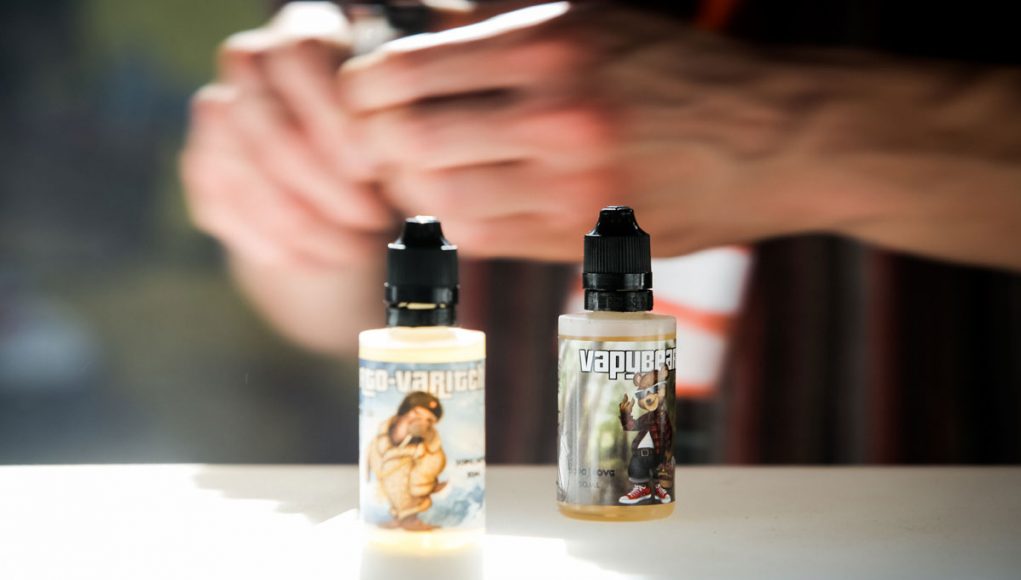
A series of formal objections to proposed nicotine restrictions in Ireland and Poland is exposing the growing fault line in European tobacco policy. The dispute arrives at a pivotal moment. The European Commission is preparing to modernise its tobacco-control framework, while individual governments are advancing restrictions on vaping flavours, nicotine pouches, packaging and newer nicotine products.
Harm reduction advocates fear these policies could make cigarettes comparatively more attractive just as Europe is struggling to meet its 2040 tobacco-free target. Recent interventions by EU member states suggest those concerns are no longer confined to consumers and advocacy organisations.
EU member states challenge proposed bans in Ireland and Poland
Ireland’s Public Health (Tobacco Products and Nicotine Inhaling Products) (Amendment) Bill 2026 proposes extensive controls over vaping products, including packaging, presentation, advertising and retail displays. Among its most controversial elements are restrictions that would effectively limit vape flavour descriptions to “Tobacco” and “Unflavoured.”
The intervention matters because EU rules allow member states to pursue public health protections, but national technical regulations that could disrupt the single market must be justified.
Greece and Italy have submitted detailed opinions through the European Commission’s Technical Regulation Information System (TRIS), extending the standstill period and requiring Ireland to address questions surrounding the necessity and proportionality of its approach.The intervention matters because EU rules allow member states to pursue public health protections, but national technical regulations that could disrupt the single market must be justified. Smoke Free Sweden leader Dr Delon Human argues that Ireland should use the delay to distinguish between measures designed to prevent youth access and restrictions that reduce the attractiveness of vaping for adults who smoke.
A similar dispute is unfolding in Poland, where the government proposes banning most flavours in nicotine products, prohibiting disposable vapes and bringing some newer nicotine products within pharmaceutical regulation. Sweden, joined by Romania, Slovakia and Greece, has challenged elements of the proposal through TRIS, extending Poland’s standstill period until November.
This reflects an important principle of EU regulation: when a government effectively removes much of a lawful product category, it should demonstrate why less restrictive alternatives—such as age restrictions, retailer licensing, advertising controls, product standards and nicotine limits—would be insufficient.
We have all the data needed to validate the need for flavours
This is particularly relevant to nicotine pouches. Tobacco-free pouches deliver nicotine without combustion, inhalation or tobacco leaf. Requiring such products to resemble tobacco in flavour could be counterproductive for former smokers deliberately trying to distance themselves from cigarettes. Poland undoubtedly has legitimate reasons to prevent youth nicotine use. The question is whether eliminating adult-oriented alternatives represents the most effective response.
Studies have consistently shown that smokers may initially choose familiar tobacco flavours but subsequently prefer fruit, menthol or other varieties as they distance themselves from cigarettes. Removing these options, argue experts, could weaken one of vaping’s advantages as a substitute for smoking.
A longitudinal study by Yale researchers found that adults who began using flavoured vapes were more likely subsequently to quit smoking than those using tobacco-flavoured products, although the observational design cannot establish that flavours themselves caused cessation.
More recent US research has raised another concern: substitution. Yale researchers examining flavour restrictions across multiple jurisdictions found that reductions in legal e-cigarette sales were accompanied by increased cigarette purchases. Their estimates indicated 15 additional cigarettes were sold for every 0.7ml of vape liquid no longer purchased following restrictions.
This does not prove every European flavour restriction will produce the same result. It does, however, demonstrate why policymakers should examine unintended consequences rather than treating falling legal vape sales as synonymous with improved health
Sweden inevitably features prominently in this debate because its experience challenges the assumption that widespread availability of smoke-free nicotine must translate into high smoking prevalence. Smoke Free Sweden currently cites a daily smoking rate of 5.3% and substantially lower tobacco-related mortality than the European average.
Europe wants a tobacco-free Generation. So why restrict alternatives to cigarettes?
The European Commission’s own Europe’s Beating Cancer Plan provides an important reference point. Its formal objective is a “Tobacco-Free Generation”, defined as reducing tobacco use to below 5% of the population by 2040.
That wording matters. A tobacco-free target is not inherently the same thing as a nicotine-free target. Vapes and nicotine pouches can contain nicotine without containing tobacco, while nicotine replacement products have delivered the same addictive substance therapeutically for decades.
The public-health rationale for distinguishing products is straightforward: cigarette smoking is uniquely hazardous because combustion produces a complex mixture of toxicants and carcinogens. This does not mean in any way that non-smokers—particularly minors—should start using nicotine. It means that the risk faced by an adult switching completely from cigarettes to a non-combustible alternative is fundamentally different from the risk of continuing to inhale cigarette smoke.
Moreover, a 2025 Cochrane living systematic review highlighted a difficult policy paradox. Excessive restrictions on the regulated market may not eliminate demand. They can instead encourage consumers to seek illicit products—the very products for which quality, ingredients, nicotine concentrations and age controls are hardest to guarantee.
Tobacco-free or nicotine-free? When will they acknowledge the difference
None of this requires Europe to ignore youth vaping. Governments have legitimate reasons to enforce minimum-age laws, restrict child-oriented branding, control advertising, establish manufacturing standards and prevent products resembling toys or confectionery from being marketed to minors.
But regulating presentation is different from eliminating the characteristics that make smoke-free alternatives acceptable to adults. The most effective framework would recognise a continuum of nicotine-related risk. Cigarettes should face the strongest regulatory and fiscal pressure because they cause the greatest harm. Lower-risk products should be tightly regulated for quality and youth access while remaining sufficiently affordable, accessible and appealing to compete with smoking. Ireland and Poland now have an opportunity to reconsider whether their proposals achieve that balance.
The wider significance extends far beyond either country. As Brussels prepares for its next generation of tobacco and nicotine regulation, Europe must decide whether its ultimate objective is to eliminate cigarette smoking and the extraordinary disease burden caused by combustion—or gradually broaden tobacco control into a campaign against nicotine use itself. Those are not necessarily the same public-health goal.
If Europe genuinely intends to reduce tobacco use below 5% by 2040, Sweden provides at least one lesson worth investigating rather than dismissing: people do not necessarily have to stop using nicotine before they stop smoking. Regulation that protects young people while encouraging adults away from cigarettes could accelerate Europe’s progress. Regulation that makes safer substitutes progressively less attractive, meanwhile, risks protecting the product policymakers should be trying hardest to eliminate—the combustible cigarette.