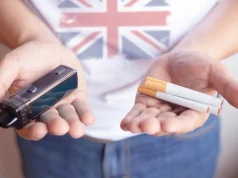
With less than a year until the UK’s new Vaping Products Duty (VPD) and Vaping Duty Stamps (VDS) come into effect on 1 October 2026, the government is embarking on one of the most consequential regulatory changes in recent UK nicotine policy. The flat excise duty—£2.20 per 10 ml of e-liquid—and the requirement that each vaping product carry a duty stamp represent a dramatic shift toward taxing safer nicotine alternatives in the same way as cigarettes.
From 1 April 2026 onward, any business manufacturing, importing, or stocking duty-suspended vaping goods must register with HMRC. The approval process may take up to 45 working days, making early preparatory compliance essential. This approach places burdens on manufacturers, warehouse keepers, overseas producers (who must appoint UK representatives), and importers alike.
The timing of this reform is especially significant and ironic, as millions of smokers engage with Stoptober, making serious attempts to quit during the month of October, many with the help of vaping products. In fact, data from major UK retailer Vape Shop, underscores how intertwined vaping is with smokers’ efforts. A total of 44% of smokers who tried vaping did so to quit; 42% said they’d consider returning to cigarettes if vapes were banned; and 17% said they might revert to smoking under the 2026 vaping tax. Chris Price, Head of eCommerce at Vape Shop, warned: “Many smokers could be pushed back towards cigarettes if regulated, affordable vaping products become restricted or heavily taxed … policies must balance protecting people while enabling evidence-backed tools to help them quit.”
Regulating or regressing?
The concern is not limited to tax burdens. The UK Vaping Industry Association (UKVIA) opposes new local powers that allow communities to veto vape shop openings—tying them with betting shops or fast-food outlets—and argues such restrictions will reduce access to harm reduction. UKVIA’s John Dunne noted that vape stores act as community resources, educating smokers and supporting safer alternatives, and that those without the nuance of harm reduction might block specialist retailers out of misunderstanding.
Meanwhile, the government’s “Pride in Place” programme is being urged to reconsider proposals that might limit vape shop presence in high streets. Critics fear these local veto powers could paradoxically increase smoking rates or drive consumers into illicit supply chains. UKVIA suggests that a licensing system for vape retailers could better safeguard youth while maintaining adult access, funding compliance enforcement without dependency on blunt bans.
At a higher level, the incoming Tobacco and Vapes Bill presents another battleground. As restrictions on flavours, packaging, and age verification are debated, the voices of industry, regulators, and consumer advocates converge. John Patterson, President of IKE Tech, believes that these restrictions will do little in the way of keeping youth away from vapes.
“Youth vaping remains a paramount concern in the UK. Despite years of debate and new regulations, progress has been limited. With rates stalled at 7% among 11-17-year-olds, it’s clear current efforts are falling short, and the health of young people is at risk. It’s encouraging that a range of measures are being discussed and potentially enforced through the Tobacco and Vapes Bill, but while these may tick regulatory boxes, they do little to curb real-world access. For example, research indicates that standardised packaging and regulated flavour descriptions could reduce the number of children who vape. Yet it’s telling that 38% of young people say they would still try vapes despite these measures.”
The confused logic behind the new vape policy
In line with several studies, Patterson highlights that many youngsters are known to obtain vapes via peers or purchase them illegally. Hence focusing on restricting access is a simplistic, and naive attempt at solving the issue. “This underlines a simple truth: proposed measures primarily focused on limiting the appeal of vaping products alone are not enough. They overlook how easily children can still access vapes through social circles, irresponsible retailers, or with fake IDs. In fact, recent data shows that social drivers now outrank flavour as a reason for youth vaping, with peer pressure (59%) and easy access via friends, stores, or online (41%) being the key factors.
Regulators need to be thinking outisde the box, says Patterson. “To address these gaps, innovation must be at the heart of the solution. As vaping technology evolves, especially with the rise of increasingly sophisticated ‘smart vapes’, it is more important than ever to introduce robust safeguards that keep pace with these changes. Tools like user-friendly app-based ID checks, digital device controls, and blockchain-enabled privacy protections offer practical ways to keep these products out of the hands of young people.”
The IKE Tech President believes that there are straightforward solutions staring us in the face, and being overlooked. “Parliament now has a clear opportunity to act. As the Tobacco and Vapes Bill is debated, embedding technology standards into legislation and shifting age verification from the point of sale to the point of use would be an important step forward. Affordable, scalable solutions, such as Bluetooth-enabled chips paired with biometric authentication, can create a digital ‘child-lock’ that makes devices unusable for underage users.”
“This approach is straightforward for businesses to adopt and directly addresses the real ways in which young people gain access. Such technology has been approved for review through the FDA’s PMTA process and has proven to be 100% effective in clinical trials at preventing underage access. By updating legislation to reflect how vapes are actually accessed and used, and by supporting innovation that keeps pace with emerging risks, we can finally make meaningful, lasting progress in tackling youth vaping.”
Patterson’s remarks highlight a painful truth: regulatory measures that ignore how vapes are actually used and accessed are likely to fail. They may reduce the appearances of plain, but they do little when the infrastructure for underage acquisition remains in place. The UK’s new VPD and VDS framework, layered with local shop-veto powers and potential retail restrictions, threatens to coerce rather than support. Taxing safer alternatives heavily while leaving cigarettes relatively as-is undermines substitution—that core principle of harm reduction. In effect, the policy says: make the safer option harder and more expensive, and keep the more dangerous choice widely available.
Contradictions aplenty
This approach is not just internally inconsistent—it risks repeating failures seen elsewhere. Heavy taxes on nicotine products often shrink the legal, regulated market and drive consumers into illicit supply chains, where product quality is unverified and risks are greater. A regulatory regime that penalises the very tools smokers use to leave combustion behind may weaken the UK’s smokefree ambitions.
The harm reduction community must press for a better path: differentiated taxation that reflects relative risk, licensing and retail safeguards that exclude youth access, and encouragement of innovation (e.g. age-locked device technologies). If the 2026 duty and stamp regime is imposed without such complementary safeguards, it may undermine the very progress Stoptober is meant to catalyse.
The UK now stands at a crossroads. On one path lies punitive tax regimes, shrinking access to safer options, and bolstered illicit trade. On the other, a more balanced, evidence-informed path that respects harm reduction’s principles, shields adult consumers, and uses taxation to encourage—not punish—switching. National health goals will ultimately depend on which path wins policy priority.
Punishing Progress: The EU Seems Set to Tax Away Its Best Chance to End Smoking?